
Microneedling vs. Microdermabrasion: How They Stimulate Collagen Differently
- posted: Jan. 21, 2026
When it comes to improving skin texture, tone, and overall appearance, microneedling and microdermabrasion are two popular treatments offered at Seraly Dermatology in McMurray, PA. While both procedures promote healthier skin, they work in distinct ways to stimulate collagen and address different skin concerns. Understanding how each treatment functions helps patients choose the most effective option for their individual needs.
Understanding Microneedling
Microneedling involves the use of a device equipped with fine needles to create controlled micro-injuries in the skin’s surface. These tiny punctures trigger the body’s natural wound-healing response, stimulating collagen and elastin production. Increased collagen helps reduce fine lines, acne scars, and uneven texture while improving firmness and elasticity. The treatment also enhances the absorption of topical products, allowing for more effective delivery of serums containing vitamins, growth factors, or hyaluronic acid.
How Microdermabrasion Works
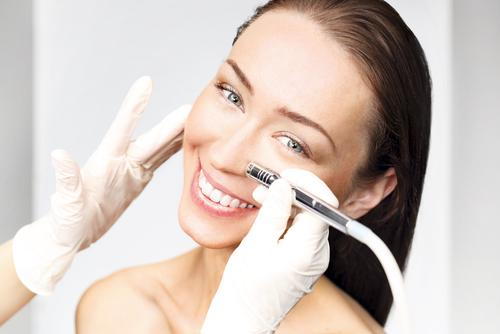
Microdermabrasion, on the other hand, is a non-invasive exfoliation technique that removes the outermost layer of dead skin cells using a gentle abrasive tip or crystal spray. This process encourages the skin to regenerate, leading to a smoother, brighter appearance. While microdermabrasion also supports collagen production, it primarily targets superficial concerns such as minor discoloration, rough texture, and dullness. It is often recommended for patients seeking mild rejuvenation or as part of an ongoing skincare maintenance routine.
Key Differences in Collagen Stimulation
The main difference between these treatments lies in how they stimulate collagen. Microneedling penetrates deeper into the dermis, prompting a more robust collagen response and making it especially effective for treating scars, deeper wrinkles, and laxity. Microdermabrasion primarily works on the epidermis, providing surface-level renewal and modest collagen stimulation. Patients with more advanced skin concerns may benefit from microneedling, whereas those seeking gentle exfoliation and improved skin radiance may find microdermabrasion ideal.
Choosing the Right Treatment
Selecting the appropriate procedure depends on skin type, desired outcomes, and the specific concerns being addressed. Dermatologists at Seraly Dermatology in McMurray, PA, evaluate each patient’s skin and recommend a treatment plan tailored to individual goals. In some cases, combining both treatments in a customized regimen can maximize results, offering both surface-level refinement and deeper collagen stimulation.
For patients in McMurray, PA, professional guidance ensures that microneedling and microdermabrasion are used safely and effectively to achieve healthier, rejuvenated skin. To schedule an appointment and explore the best option for your skin, contact Seraly Dermatology in McMurray, PA, at (724) 969-2500.
- posted: Jan. 21, 2026
When it comes to improving skin texture, tone, and overall appearance, microneedling and microdermabrasion are two popular treatments offered at Seraly Dermatology in McMurray, PA. While both procedures promote healthier skin, they work in distinct ways to stimulate collagen and address different skin concerns. Understanding how each treatment functions helps patients choose the most effective option for their individual needs.
Understanding Microneedling
Microneedling involves the use of a device equipped with fine needles to create controlled micro-injuries in the skin’s surface. These tiny punctures trigger the body’s natural wound-healing response, stimulating collagen and elastin production. Increased collagen helps reduce fine lines, acne scars, and uneven texture while improving firmness and elasticity. The treatment also enhances the absorption of topical products, allowing for more effective delivery of serums containing vitamins, growth factors, or hyaluronic acid.
How Microdermabrasion Works
Microdermabrasion, on the other hand, is a non-invasive exfoliation technique that removes the outermost layer of dead skin cells using a gentle abrasive tip or crystal spray. This process encourages the skin to regenerate, leading to a smoother, brighter appearance. While microdermabrasion also supports collagen production, it primarily targets superficial concerns such as minor discoloration, rough texture, and dullness. It is often recommended for patients seeking mild rejuvenation or as part of an ongoing skincare maintenance routine.
Key Differences in Collagen Stimulation
The main difference between these treatments lies in how they stimulate collagen. Microneedling penetrates deeper into the dermis, prompting a more robust collagen response and making it especially effective for treating scars, deeper wrinkles, and laxity. Microdermabrasion primarily works on the epidermis, providing surface-level renewal and modest collagen stimulation. Patients with more advanced skin concerns may benefit from microneedling, whereas those seeking gentle exfoliation and improved skin radiance may find microdermabrasion ideal.
Choosing the Right Treatment
Selecting the appropriate procedure depends on skin type, desired outcomes, and the specific concerns being addressed. Dermatologists at Seraly Dermatology in McMurray, PA, evaluate each patient’s skin and recommend a treatment plan tailored to individual goals. In some cases, combining both treatments in a customized regimen can maximize results, offering both surface-level refinement and deeper collagen stimulation.
For patients in McMurray, PA, professional guidance ensures that microneedling and microdermabrasion are used safely and effectively to achieve healthier, rejuvenated skin. To schedule an appointment and explore the best option for your skin, contact Seraly Dermatology in McMurray, PA, at (724) 969-2500.
This website includes materials that are protected by copyright, or other proprietary rights. Transmission or reproduction of protected items beyond that allowed by fair use, as defined in the copyright laws, requires the written permission of the copyright owners.
Our Location
Find us on the map
Seraly Dermatology
222 East McMurray Road
McMurray, PA 15317, US
