
What Dermatologists Look for During a Mole Check
- posted: Dec. 18, 2025
At Seraly Dermatology in McMurray, PA, mole checks are a common reason patients schedule visits. Because moles can change gradually over time, having a dermatologist evaluate them is essential for early detection of concerning features. Understanding what doctors look for during a skin exam helps patients stay informed, recognize changes sooner, and protect their long-term skin health.
Identifying Concerning Features
Dermatologists begin their evaluation by reviewing a patient’s personal and family history, with particular attention to past sun exposure, blistering sunburns, and any history of skin cancer. Each mole is then examined for its size, shape, color, and overall pattern. Changes in symmetry, irregular borders, multiple colors, or rapid growth are key signs that a mole may need closer assessment. By comparing current findings with a mole’s baseline appearance, dermatologists can separate harmless lesions from those requiring further testing.
Comprehensive Skin Examination
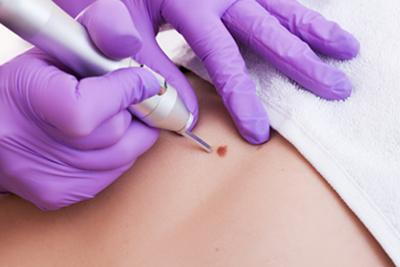
During a full-body exam, the physician checks the entire skin surface, including areas that are often missed during self-checks at home. The dermatologist notes whether a mole is flat or raised, how its texture feels, and whether it appears different from surrounding spots. If a lesion looks unusual or clearly “different” from the rest, a dermatoscope may be used to evaluate pigment patterns beneath the skin. When necessary, a small biopsy is performed to determine whether the mole is benign or requires further treatment.
Determining Next Steps
If a mole shows suspicious features, the dermatologist discusses the findings and outlines the most appropriate next steps. A biopsy provides valuable information and helps guide treatment decisions. When moles are benign but bothersome due to friction or location, removal may still be an option. For patients with many moles or a history of skin cancer, regular follow-ups help monitor changes and maintain ongoing skin health.
Supporting Long-Term Skin Wellness
Beyond evaluating individual moles, dermatologists provide education on sun protection, self-exams, and recognizing early warning signs. Staying alert to changes between visits ensures that new or evolving lesions are addressed promptly. Consistent monitoring is especially important for patients with fair skin, numerous moles, or a family history of melanoma.
At Seraly Dermatology in McMurray, PA, expert mole evaluation combines careful examination, early detection, and personalized guidance to support lasting skin health. If you have noticed a changing mole or want a thorough skin check, call (724) 969-2500 to schedule an appointment and take an important step toward protecting your skin.
- posted: Dec. 18, 2025
At Seraly Dermatology in McMurray, PA, mole checks are a common reason patients schedule visits. Because moles can change gradually over time, having a dermatologist evaluate them is essential for early detection of concerning features. Understanding what doctors look for during a skin exam helps patients stay informed, recognize changes sooner, and protect their long-term skin health.
Identifying Concerning Features
Dermatologists begin their evaluation by reviewing a patient’s personal and family history, with particular attention to past sun exposure, blistering sunburns, and any history of skin cancer. Each mole is then examined for its size, shape, color, and overall pattern. Changes in symmetry, irregular borders, multiple colors, or rapid growth are key signs that a mole may need closer assessment. By comparing current findings with a mole’s baseline appearance, dermatologists can separate harmless lesions from those requiring further testing.
Comprehensive Skin Examination
During a full-body exam, the physician checks the entire skin surface, including areas that are often missed during self-checks at home. The dermatologist notes whether a mole is flat or raised, how its texture feels, and whether it appears different from surrounding spots. If a lesion looks unusual or clearly “different” from the rest, a dermatoscope may be used to evaluate pigment patterns beneath the skin. When necessary, a small biopsy is performed to determine whether the mole is benign or requires further treatment.
Determining Next Steps
If a mole shows suspicious features, the dermatologist discusses the findings and outlines the most appropriate next steps. A biopsy provides valuable information and helps guide treatment decisions. When moles are benign but bothersome due to friction or location, removal may still be an option. For patients with many moles or a history of skin cancer, regular follow-ups help monitor changes and maintain ongoing skin health.
Supporting Long-Term Skin Wellness
Beyond evaluating individual moles, dermatologists provide education on sun protection, self-exams, and recognizing early warning signs. Staying alert to changes between visits ensures that new or evolving lesions are addressed promptly. Consistent monitoring is especially important for patients with fair skin, numerous moles, or a family history of melanoma.
At Seraly Dermatology in McMurray, PA, expert mole evaluation combines careful examination, early detection, and personalized guidance to support lasting skin health. If you have noticed a changing mole or want a thorough skin check, call (724) 969-2500 to schedule an appointment and take an important step toward protecting your skin.
This website includes materials that are protected by copyright, or other proprietary rights. Transmission or reproduction of protected items beyond that allowed by fair use, as defined in the copyright laws, requires the written permission of the copyright owners.
Our Location
Find us on the map
Seraly Dermatology
222 East McMurray Road
McMurray, PA 15317, US
